- Empty cart.
- Continue Shopping

The Impact of Free-Ranging Farm Dogs on India’s Wildlife – Free-ranging farm dogs
- Posted on
Naresh Gupta
- 0
- Categories: Latest Cats & Dogs World News: Updates, Stories, and Tips for Pet Lovers
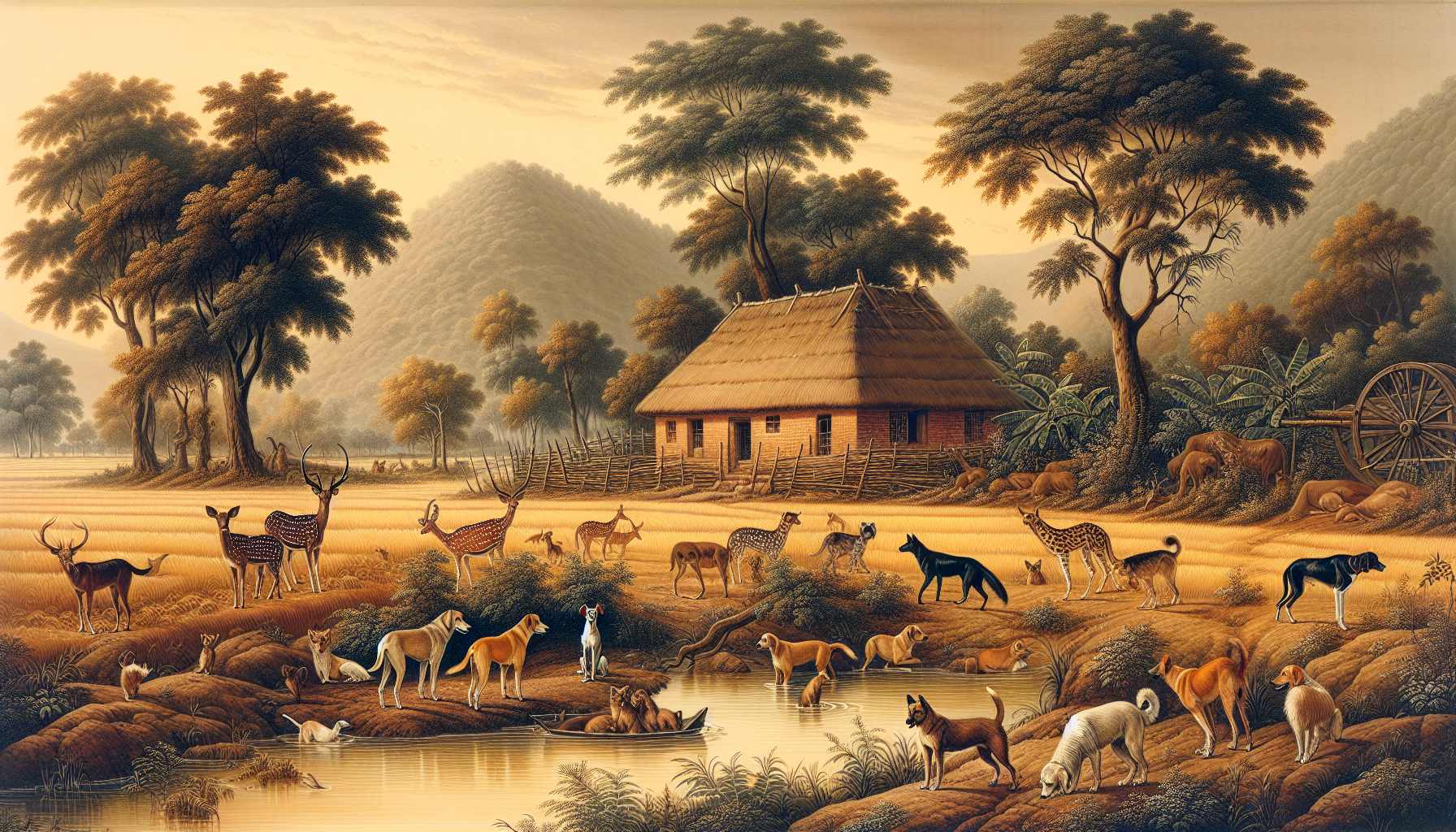
Free-ranging farm dogs
The Impact of Free-Ranging Farm Dogs on India’s Wildlife
India, known for its rich biodiversity and majestic wildlife, is facing a growing challenge: the impact of free-ranging farm dogs. These farm helpers, often left to roam freely, are turning into unexpected threats to the native wildlife. But how exactly are they causing harm, and what can be done to strike a balance? Let’s explore the fascinating world of free-ranging farm dogs and their influence on the environment.
Who Are Free-Ranging Farm Dogs?
Free-ranging farm dogs are not your typical house pets. These dogs primarily function on farms, guarding livestock and helping with farm operations. Unlike traditional pets, they’re often left to roam freely, hence the term “free-ranging.” While they serve crucial roles in agricultural settings, their wandering nature extends far beyond the boundaries of the farm.
The Unseen Guardians
In rural parts of India, farmers rely on these dogs for security against livestock predators. The dogs’ keen senses and loyalty are indispensable. Yet, while protecting flocks or herds, they inadvertently pose a danger to local wildlife. These dogs, driven by instinct and opportunity, may chase, hunt, or even kill native species.
Unexpected Threats to Wildlife
The presence of free-ranging farm dogs is becoming a pressing concern for conservationists. Why, you may ask? Well, picture this: a dog pursuing a deer through a dense forest or snatching eggs from a bird’s nest. Such incidents, unfortunately, aren’t rare and highlight how these dogs disrupt the natural order.
Impact on the Food Chain
- Dogs hunt small mammals and birds, reducing their numbers.
- They compete with natural predators, such as foxes and wildcats, for food resources.
- Large hunting packs of dogs can even threaten species like antelopes and blackbucks.
Have you ever witnessed an imbalance in nature? It’s a bit like when invasive plants overtake a garden, suffocating the plants we desire. Similarly, by eliminating or reducing native species, free-ranging dogs shift the balance, leading to cascading effects through ecosystems.
Case Study: A Glimpse into India’s Natural Habitats
Let’s examine a scenario from the Indian landscape. In several sanctuaries, the presence of these dogs led to a decline in native animal populations. Conservationists reported multiple attacks on deer and endangered birds. Dogs, often coming in contact with rabies or other diseases, further exacerbate this issue by spreading illnesses to native species.
Disease Transmission
Canine distemper is a perfect example of how diseases can jump from domestic animals to wildlife. Dogs that roam freely and interact with various species can act as a bridge for diseases, threatening already vulnerable populations.
Solutions and Coexistence
It’s clear that action is needed. But how do we ensure free-ranging farm dogs can continue their important roles without harming wildlife? The answer lies in finding a balance. Here are some strategies that could help:
- Implementing better breeding and control measures to limit excessive dog populations.
- Increasing awareness among farmers about the environmental impact of their dogs’ behaviors.
- Constructing barriers or using GPS tracking to restrict the roaming areas of these dogs.
Community Involvement
Communities play a vital role. Engaging farmers in conservation efforts can lead to positive outcomes. Rural community education programs can empower farmers to understand the ecological impact of their dogs. For instance, employing birth control measures for the dogs, or setting up specific times when dogs can roam under supervision, could mitigate the issue.
Have you ever attempted to balance a seesaw? It requires equal weight on both sides to achieve stability. In the same sense, balancing the needs of farmers and the ecosystem is crucial. By considering both sides, we create a solution that supports biodiversity while appreciating the role dogs play in agriculture.
A Call to Action
The journey towards coexistence begins with awareness and cooperation. By recognizing the dual nature of free-ranging farm dogs as both guards and potential threats, stakeholders can work towards solutions that benefit both agriculture and wildlife. As members of a shared planet, it’s our responsibility to weave the needs of humans and nature into a harmonious fabric. What steps will you take to contribute to this cause?
In conclusion, while free-ranging farm dogs are vital to farm life, their impact on wildlife can’t be overlooked. By exploring educational campaigns and implementing strategic management, we can ensure both these dogs and India’s wildlife thrive together.
Join in the conversation: What are your thoughts on managing free-ranging dogs in rural areas? Share your experiences and suggestions in the comments below!
Unbelievable Savings on Pet Accessories at Amazon!
Watch funny and cute dog videos!
Disclaimer: This article was generated with the assistance of AI technology. All images featured on this website are either sourced from free-to-use platforms, created by us, generated with the assistance of AI technology or used with permission. If you believe an image on this site violates copyright or your rights, please contact us, and we will address the issue promptly.