- Empty cart.
- Continue Shopping
Animal Cruelty Exposed in Telangana Research Lab: Disturbing Details Revealed – Animal abuse
- Posted on
Naresh Gupta
- 0
- Categories: Latest Cats & Dogs World News: Updates, Stories, and Tips for Pet Lovers
Animal abuse
Shedding Light on Animal Abuse: A Disturbing Tale from Telangana
Animal abuse remains a pressing issue that continually demands our attention and action. Recent revelations from a research lab in Telangana have once again highlighted the grim reality of this ongoing problem. Animals, especially those used in laboratories, are often subjected to conditions that can only be described as cruel. Let’s dive into the details and understand why this is a crucial concern for all of us.
What Happened in Telangana?
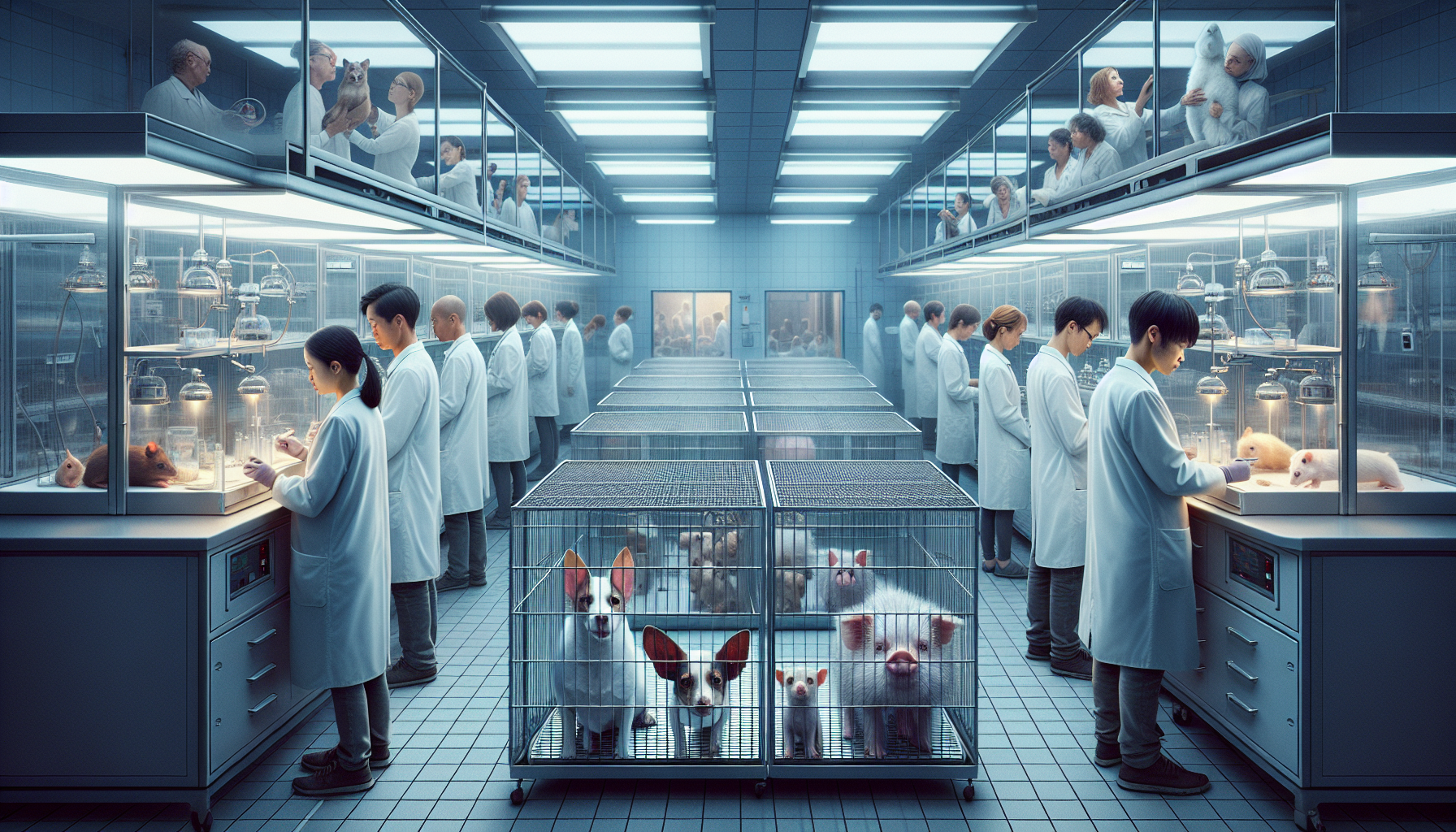
In a shocking exposé, PETA has uncovered disturbing evidence of animal abuse in a research lab located in Telangana, India. This investigation revealed the suffering faced by dogs, mini pigs, and monkeys. These animals live in the lab under conditions that would make anyone feel uneasy. Many of them endure physical harm and emotional distress, raising ethical questions about our responsibilities towards these sentient beings.
Now, you might wonder why such practices still exist. Aren’t there laws against animal cruelty? Unfortunately, even with regulations in place, some establishments bypass these rules, prioritizing profits or scientific results over the welfare of animals.
The Harsh Reality of Lab Animals
Imagine you are locked in a tiny room with no windows, little food, and constant fear. It’s a haunting thought, isn’t it? That’s somewhat akin to what these animals go through daily. Their lives in laboratories are far from the natural environments they belong to.
The impact of animal abuse in labs includes:
These animals lack the freedom and joy that their counterparts in the wild or homes experience. This isn’t just a problem of physical abuse; it’s also a profound mental and emotional toll on these animals.
Why Should We Care?
Now, you might be thinking, “Why does this matter to me?” Well, animal abuse isn’t just an ethical issue; it’s a societal one. A society that permits or ignores animal cruelty may, knowingly or unknowingly, be more prone to violence and desensitization towards suffering in general. Treating animals with kindness and compassion is indicative of the values we hold as a community.
Thinking about it, have you ever felt deeply moved by a story of an animal rescue? Or perhaps you’ve felt the joy of a pet greeting you after a long day? These connections with animals are significant and emphasize why we should stand against animal abuse.
What Can Be Done?
It’s easy to feel helpless in the face of such news, but there’s actually a lot we can do to combat animal abuse. Here are some simple and impactful ways to make a difference:
Taking action, no matter how small, can create ripples that lead to significant change. Each effort counts in the fight against animal abuse.
Looking Ahead
While the situation in the Telangana lab is distressing, it serves as a reminder of the broader issue of animal abuse, especially in research facilities worldwide. Our task is to stay informed and proactive, ensuring that animals are treated with the dignity and respect they deserve.
Have you ever wondered what motivates scientific communities to use animal testing? Or what alternatives exist to prevent animal abuse in research? These are crucial questions as we move towards more humane and ethical practices.
In closing, combating animal abuse requires a collective effort. By fostering a culture of empathy and respect for all creatures, we pave the way for a more compassionate world. Whether it’s through daily choices or amplifying voices for change, each of us plays a vital role in this journey. Let’s stand together against animal cruelty and become the change we wish to see.
Together, we can ensure that labs like the one in Telangana are the exception, not the norm. How will you contribute to this cause today?
Watch funny and cute dog videos!
Disclaimer: This article was generated with the assistance of AI technology. All images featured on this website are either sourced from free-to-use platforms, created by us, generated with the assistance of AI technology or used with permission. If you believe an image on this site violates copyright or your rights, please contact us, and we will address the issue promptly.