- Empty cart.
- Continue Shopping
Animal Rights Activists Push for Rural Dog and Cat Sterilization – Animal sterilisation
- Posted on
Naresh Gupta
- 0
- Categories: Latest Cats & Dogs World News: Updates, Stories, and Tips for Pet Lovers
Animal sterilisation
# Animal Sterilisation: A Vital Step Towards a Humane Future
Animal lovers and compassionate communities often find themselves battling with the issues surrounding our furry friends, especially those without a forever home. One of the pressing concerns in animal welfare is **animal sterilisation**, particularly in rural areas, where resources may be limited. Let’s break down why it’s crucial, who’s taking action, and how you can be part of this important movement.
## Why is Animal Sterilisation Important?
When we talk about animal sterilisation, we’re referring to the process of surgically removing the reproductive organs of dogs and cats to prevent them from reproducing. But why is this essential?
For starters, **animal overpopulation** can lead to numerous problems. Imagine a small rural village overloaded with stray dogs and cats. These animals, without a permanent home, often face starvation, disease, and even abuse. More animals mean increased competition for limited resources, leading to a poorer quality of life for these creatures.
By controlling the population through sterilisation, we’re not just reducing the number of homeless animals; we’re also **enhancing their quality of life**. Fewer animals mean that more of them can receive proper care and attention. This process also helps in reducing the transmission of diseases, which can sometimes spread from animals to humans.
## A Call to Action
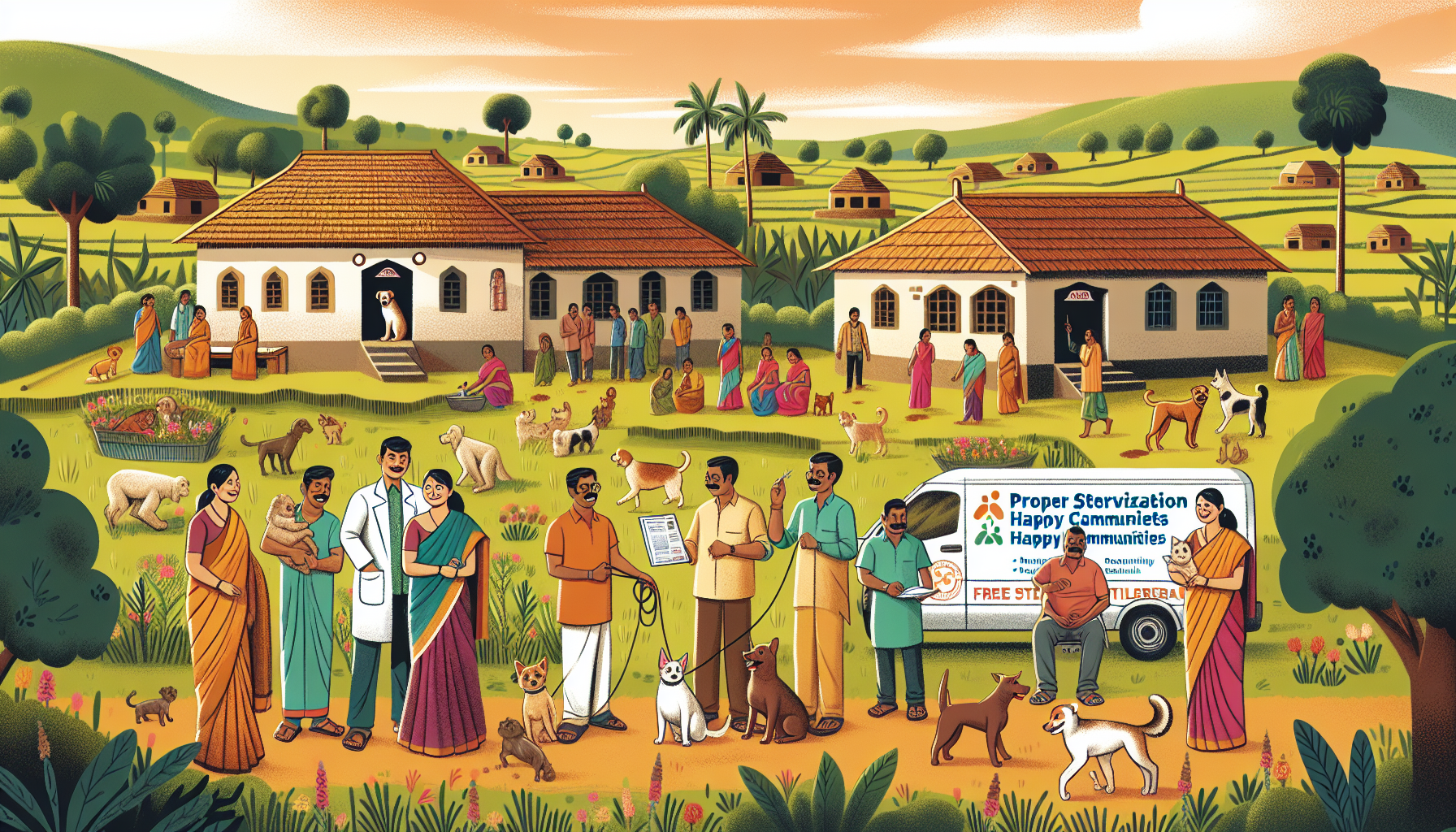
Animal rights activists in regions like Maharashtra have been shining a light on this issue. They are urging proper measures and initiatives for **animal sterilisation** in rural areas. But what does this effort look like on the ground?
Imagine organizing a community rally to raise awareness and support for local animal sterilisation programs. Activists might set up partnerships with veterinarians and clinics willing to offer free or subsidized sterilisation services. These initiatives are often accompanied by educational campaigns that inform the locals about the benefits of sterilising their pets and strays.
### Overcoming Challenges
But hold on—the task is not without its hurdles. Rural areas often lack the necessary infrastructure and financial resources. So, how do activists plan to tackle these challenges?
1. **Community Engagement:** Engaging local communities helps. Volunteers often organize workshops to educate people about animal welfare and the importance of sterilisation. This grass-roots level involvement can change perceptions and empower locals to become advocates themselves.
2. **Collaborations with NGOs:** By partnering with NGOs that specialize in animal rights, activists can pool resources and knowledge, making it easier to set up sterilisation camps.
3. **Government Support:** Lobbying for government assistance is another crucial step. Activists often push for policies and funding that support sterilisation efforts and animal welfare programs.
## How Can You Help?
If you’re passionate about animal welfare, there are numerous ways you can contribute to this cause, even if you’re not in a rural setting.
### 1. **Educate Yourself and Others**
Start by joining local animal welfare groups or online communities. Knowledge is power, and by staying informed, you can effortlessly share valuable information with others.
### 2. **Volunteer Your Time**
Many shelters and animal rights organizations rely heavily on volunteers. Whether it’s helping out at a sterilisation camp or organizing a fundraiser, your time is one of the most precious gifts you can give.
### 3. **Donate**
If you can afford to, consider donating to shelters or NGOs that focus on sterilisation efforts. Every little bit can help in providing essential services like veterinary care, food, and shelter for animals in need.
### 4. **Adopt, Don’t Shop**
By adopting a pet rather than buying one, you’re not only giving an animal a forever home but also reducing the demand for breeding, which contributes to overpopulation.
## The Bigger Picture
Is it just about keeping animal numbers down? Not entirely. **Animal sterilisation** is a stepping stone toward creating communities that coexist peacefully with their animal neighbors. It’s about fostering an environment where every animal has a chance at a decent life, free of neglect and suffering.
Consider the broader implications: healthier animals mean safer communities. When strays are less aggressive and disease-free, it reduces the human-animal conflicts that can sometimes occur in populated areas. This harmony benefits not just the animals but humans too.
## Final Thoughts
So, why are we discussing **animal sterilisation** in such detail? It’s simple—it’s a conversation that needs to echo not just in cities but also in the quieter parts of the world. It’s about creating a sustainable future where humanity and the animal kingdom can coexist peacefully.
By taking small steps, spreading awareness, and supporting local initiatives, each one of us can make a big difference. Think of it like this: you might not be able to change the whole world, but for the animal you help, you’ve changed their world entirely.
Are you ready to join the movement for animal sterilisation and be part of this life-changing journey? Your actions, no matter how small, are crucial in shaping a kinder, more compassionate planet.
Unleash Incredible Savings on Pet Accessories on Amazon!
Watch funny and cute dog videos!
Disclaimer: This article was generated with the assistance of AI technology. All images featured on this website are either sourced from free-to-use platforms, created by us, generated with the assistance of AI technology or used with permission. If you believe an image on this site violates copyright or your rights, please contact us, and we will address the issue promptly.