- Empty cart.
- Continue Shopping

Avian Influenza H5N1 Spreads: India Detects Bird Flu in Pet Cats – Avian Influenza H5N1
- Posted on
Naresh Gupta
- 0
- Categories: Latest Cats & Dogs World News: Updates, Stories, and Tips for Pet Lovers
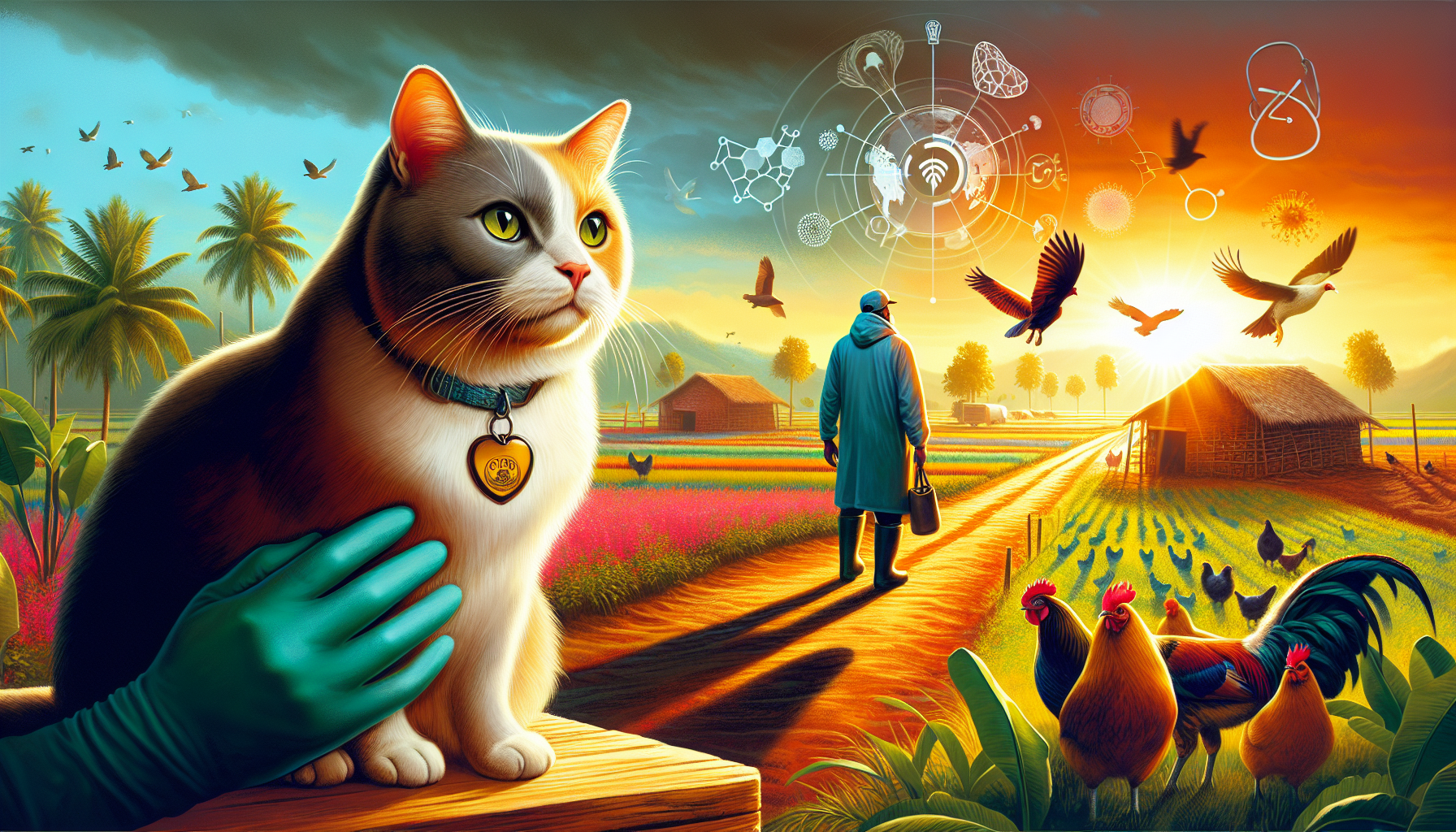
Avian Influenza H5N1
# Avian Influenza H5N1 Spreads: India Detects Bird Flu in Pet Cats
The recent surge in cases of **Avian Influenza H5N1** has caught the attention of pet owners and animal lovers across India. When we think of bird flu, we usually imagine flocks in aviaries, but the situation is evolving. Interestingly, the virus has now been detected in species beyond birds, with **reports of pet cats contracting the illness**. So, what does this mean for domestic animals and their owners?
## What is Avian Influenza H5N1?
To put it simply, **Avian Influenza H5N1** is a highly contagious viral infection that mainly affects birds. It has occasionally jumped the species barrier to infect humans and other animals. The virus is known for its high mortality rate in birds, causing significant concern among veterinarians and the poultry industry. With its complex scientific name, H5N1 might sound intimidating, but let’s break it down into digestible information.
### How Does H5N1 Spread?
It’s common knowledge that viruses spread like wildfire, but how does H5N1 make the leap from bird to feline? The *transmission* typically occurs when animals come into contact with infected birds or surfaces contaminated with the virus. Imagine an open field where birds often roam; if infected birds have been there, traces of the virus might linger.
– **Direct Contact**: Cats might catch the virus when they hunt infected birds.
– **Environmental Contamination**: Shared environments between differing species can lead to cross-contamination.
Interestingly, though cases have been reported, the odds of cats catching H5N1 are still rare. However, it’s an emerging concern worth noting.
## What’s Happening in India?
India has been on high alert as recent cases surfaced. The virus has been detected in three pet cats, intensifying the need for attention. But why is this concerning? Understanding the potential risk is like finding a piece of a larger puzzle.
### Efforts to Contain the Spread
*Authorities are working diligently* to keep the situation under control. Here’s a peek into the measures being taken:
1. **Monitoring Affected Areas**: Routine checks in areas where cases have been detected.
2. **Restricting Movement**: Limiting the transportation of birds in affected zones.
3. **Public Awareness**: Encouraging pet owners to keep their cats indoors and to monitor for symptoms.
These steps might seem straightforward, but each plays a part in safeguarding domestic and wild animals alike.
## What Can Pet Owners Do?
Owning a pet is like being a part of a small family, and we all want to protect our family members. Pet owners are understandably anxious about their cats. Here are a few practical steps to consider:
– Keep Cats Indoors: Avoiding outdoor exposure reduces the risk of contact with infected birds.
– Consult a Vet: Regular check-ups can help in early detection and treatment.
– Stay Informed: Keep up with local news and announcements about Avian Influenza H5N1.
By staying informed and aware, we can all play a part in preventing the spread of the virus.
## Understanding the Impact
It’s easy to feel overwhelmed by the news, but let’s put it into perspective. While there are confirmed cases of H5N1 in cats, it’s not time to panic. Instead, it’s time to understand, educate, and prepare. This attitude not only helps in addressing this current scare but also equips us to handle future situations more competently.
### The Bigger Picture
On a broader scale, these incidents highlight the interconnectedness of all living things. Wildlife and domestic animals share a web of ecosystems, reminding us of the delicate balance we all rely on.
Seeing cats, beloved members of many families, affected by bird flu is a revelation—something many of us never expected. It calls for a moment of reflection: how do our daily habits and environments contribute to such occurrences? This might not be a direct question we have asked ourselves before, but it’s crucial. After all, our actions do shape the natural world.
## Conclusion
The emergence of **Avian Influenza H5N1** in pets such as cats is a gentle reminder of the unpredictable nature of viruses. But amidst the concern, there is space for understanding and action. Let’s stay informed and proactive, ensuring both our pets and ourselves remain healthy and safe. This situation serves as an opportunity to enhance our readiness for future health challenges.
By adopting simple practices and staying vigilant, we can continue to enjoy the company of our furry friends while contributing to a safer and healthier community. Remember, being informed and prepared is our best defense. So next time you hear about Avian Influenza H5N1, think about what you can do to make a difference, no matter how small it may be.
Watch funny and cute dog videos!
Disclaimer: This article was generated with the assistance of AI technology. All images featured on this website are either sourced from free-to-use platforms, created by us, generated with the assistance of AI technology or used with permission. If you believe an image on this site violates copyright or your rights, please contact us, and we will address the issue promptly.