- Empty cart.
- Continue Shopping
How Dogs’ Scent Abilities Enhance Human Safety and Protection – Canine Olfaction
- Posted on
Naresh Gupta
- 0
- Categories: Latest Cats & Dogs World News: Updates, Stories, and Tips for Pet Lovers
Canine Olfaction
How Canine Olfaction Keeps Us Safe: Unleashing the Power of a Dog’s Nose
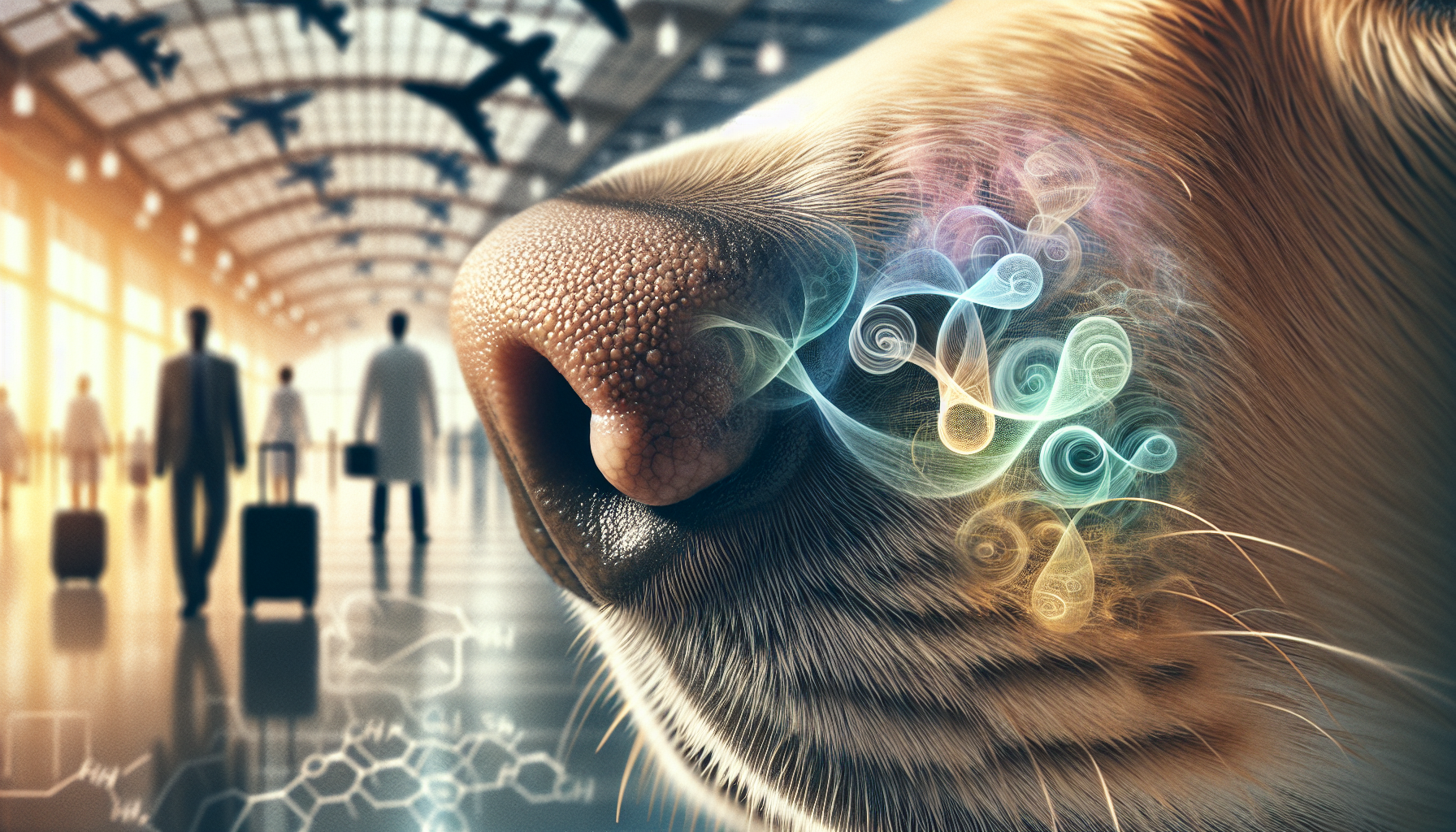
We often hear about a dog’s incredible sense of smell, but have you ever truly stopped to wonder how their powerful noses enhance our safety and protection? In this blog post, we’ll dive into the fascinating world of Canine Olfaction and discover how our furry friends use their sniffing superpowers to help keep us secure.
The Science Behind a Dog’s Super Sniffer
Let’s kick things off with a fun fact: a dog’s sense of smell is up to 100,000 times more sensitive than ours! But what makes their noses so special? Dogs have around 300 million olfactory receptors, compared to our mere six million. That’s like comparing an old flip phone to the latest smartphone—it’s a huge upgrade!
Additionally, the part of a dog’s brain that processes smells is about 40 times larger than ours. This explains why our four-legged pals are such astute detectives when it comes to scents. Their noses are designed for sniffing, just as ours are designed for seeing. Isn’t that fascinating?
How Dogs Use Their Nose to Keep Us Safe
- Detecting Dangerous Substances: One of the most well-known uses of canine olfaction is in detecting substances like drugs or explosives. At airports or public events, you may have spotted dogs on duty, busily sniffing away to ensure our safety.
- Search and Rescue: In times of crisis, canine olfaction is invaluable. Dogs assist in locating missing people during natural disasters or accidents, skillfully sniffing out humans even under piles of debris.
- Medical Detection: Believe it or not, dogs can even detect certain diseases! Research shows that dogs can sniff out cancer, diabetes, and even stress, thanks to the unique chemical changes these conditions create in our bodies.
What Makes a Dog’s Sniffing Power So Unique?
Picture this: Dogs can “smell in stereo.” Their noses can detect separate smells from each nostril. That means they know not just what they’re smelling, but where it’s coming from. It’s like having a built-in GPS for scents. Amazing, right?
Another interesting aspect of canine olfaction is their ability to smell time. Dogs can detect how long ago a scent was left. How? Because smells change as they age, and dogs can pick up on these subtle differences. So when Fido sniffs a trail, he’s not just following it—he’s analyzing its age to decide which direction to go.
The Training Behind the Talent
This olfactory prowess doesn’t just happen overnight. Dogs undergo rigorous training to harness their natural smelling abilities effectively. Positive reinforcement is commonly used, where dogs are rewarded with treats or praise when they successfully identify target scents.
Training can vary based on the specific roles dogs are being prepared for. For example, a bomb-sniffing dog is trained to associate specific explosives’ scents with a reward, while a medical detection dog might be trained to signal when they detect changes in a person’s breath or skin.
Beyond Work—How Our Pets’ Sense of Smell Impacts Their World
Beyond keeping us safe, our pets rely on their sense of smell in daily life. Have you noticed how your dog wants to sniff everything during walks? It’s their way of gathering information—a bit like checking their social media feed. They’re learning who was there, what they were up to, and even if a new dog has entered the neighborhood!
Dogs also use their noses to communicate. They send signals to each other through scent marks left behind by glands in their paws or their ears. It’s an ongoing olfactory conversation happening right under our noses—literally!
Questions to Ponder
So now that we’ve explored the extraordinary world of canine olfaction, you might be left wondering: How could we expand the use of this gift to further benefit mankind? Could future innovations in technology enhance a dog’s natural abilities? Or perhaps, by better understanding the way dogs use their noses, we might discover new ways to improve our own olfactory skills?
Personal Reflections: My Encounters with Canine Olfaction
I remember the first time I saw a detection dog in action. It was during a routine airport security check. Watching that dog work was like watching an artist paint—the agility, focus, and dedication were truly inspiring. It got me thinking about the countless invisible ways dogs have improved our lives by simply following their noses.
Another personal encounter was when my friend’s dog, Max, persistently sniffed and nudged her belly. It turned out that Max had sensed an issue long before it was evident, leading to an early (and thankfully successful) medical intervention. Talk about a lifesaver!
Wrap Up: Celebrating Our Sniffing Saviors
While we rely heavily on sight and sound, dogs show us the power of scent and how it plays a vital role in safety and protection. Their noses do more than just sniff; they save lives, prevent disasters, and remind us of the incredible bond between humans and their furry companions.
So, the next time you see a dog busily sniffing away, take a moment to appreciate the marvel of Canine Olfaction and how it enriches our world. Remember, every wagging tail and curious sniff is not just a sign of joy, but a testament to a complex and powerful ability that has stood the test of time.
Unbeatable Pet Accessories Deals on Amazon!
Watch funny and cute dog videos!
Disclaimer: This article was generated with the assistance of AI technology. All images featured on this website are either sourced from free-to-use platforms, created by us, generated with the assistance of AI technology or used with permission. If you believe an image on this site violates copyright or your rights, please contact us, and we will address the issue promptly.