- Empty cart.
- Continue Shopping

Delhi Government Plans New Policy for Community Dogs Welfare – Community dogs policy
- Posted on
Naresh Gupta
- 0
- Categories: Latest Cats & Dogs World News: Updates, Stories, and Tips for Pet Lovers
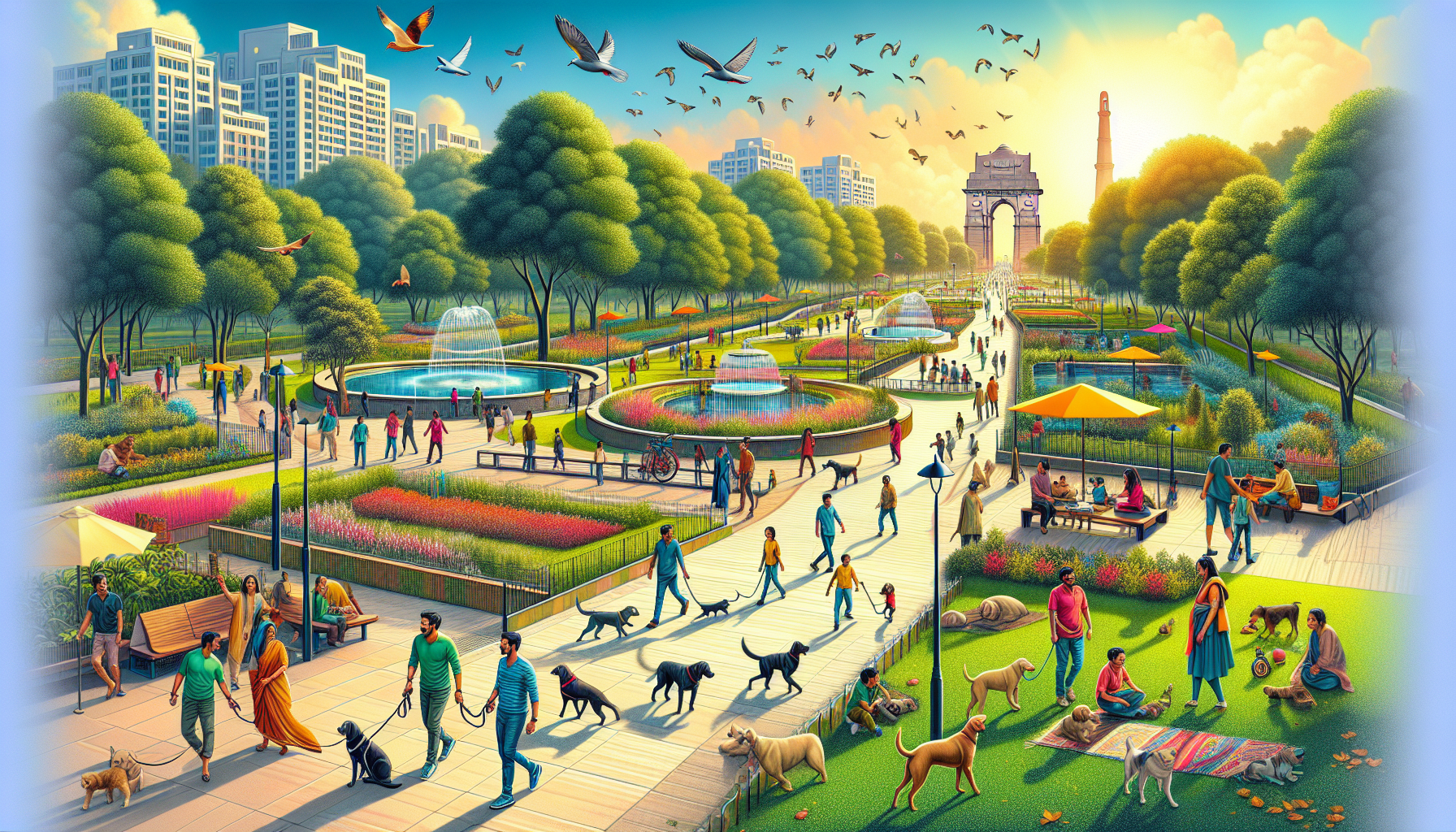
Community dogs policy
Understanding the New Community Dogs Policy: A Step Towards Welfare
Hello, fellow animal lovers and curious minds! Today, we’re diving into an exciting development for our four-legged friends in Delhi. Yes, you’ve guessed it from the title—it’s all about the “Community dogs policy.” Imagine being part of a neighborhood where the welfare of community dogs is taken as seriously as the welfare of its human residents. Sounds promising, right? Let’s explore what’s buzzing in the heart of India about this policy.
What’s the Talk About?
The Delhi government is making strides to draft a policy focused on community dogs. If you’ve ever strolled around the capital, you would have noticed these furry companions populating the streets. They’re a natural part of the landscape! Now, the government aims to ensure these animals are cared for, with their well-being prioritized. But why now, and what does this entail?
**Why Is This Needed?**
Have you ever witnessed a playful tussle between two friendly street dogs or a gentle nudge from a stray seeking some love? For many, these interactions are filled with warmth and sometimes a tad bit of concern. Many community dogs face challenges like inadequate food, shelter, and medical care. By implementing a robust community dogs policy, these issues can be addressed systematically.
The Core of the Policy
So, what will this community dogs policy actually do? Well, think of it as a comprehensive approach to ensuring the basic needs of community dogs are met. Below are some key features we’re expecting:
- Care and Shelter: Like us, dogs need a safe space to call home. The policy will likely include provisions for creating shelters across the city.
- Medical Assistance: Regular veterinary care and medical assistance are crucial. This initiative strives to make medical facilities more accessible to community dogs.
- Food Supplies: Establishing feeding zones where citizens and volunteers can feed stray dogs safely.
- Identification and Tracking: A well-managed system could include microchipping dogs to track health records and population control measures.
These are just some elements that can potentially transform the way communities interact with local dogs.
From Plans to Action
Now, making plans is one part of the equation. The real challenge, as we all know, lies in execution. So, how does the government plan to roll out this community dogs policy? It’s not just about drafting documents; it’s about fostering a collaborative effort where everyone—government bodies, NGOs, and citizens—plays a part.
**How Can We Help?**
You might be wondering about your role in this. Here’s how you can contribute positively:
- Raise Awareness: Talk about the policy with neighbors, local store owners, and friends.
- Volunteer: Find local animal welfare NGOs that are involved in this initiative.
- Be Responsible: If you interact with community dogs, ensure you follow safe feeding practices and report any sick or injured animals to authorities.
Just like planting a tree and watching it grow, small acts of kindness towards animals can bring monumental changes.
Learning from Experiences
Let me share a small story. A friend of mine, Anjali, lives in a busy neighborhood in Delhi. One afternoon, she found a stray puppy with an injured leg. Without hesitation, she contacted a local animal rescue organization. Through a network of volunteers and vet clinics, the puppy received timely care. Anjali’s experience is a testament to what collective action can achieve. Just imagine this happening on a larger scale with the help of this policy!
Engaging the Community
The magic of this community dogs policy lies in one word: **community**. It’s about bringing people together for a common cause. Have you ever noticed how animals can sometimes bring out the best in us? Whether it’s through neighborhood WhatsApp groups sharing information or people coming together for weekend feeding runs, community effort can create a supportive environment for these dogs.
**Getting Involved:**
When communities unite for a cause, barriers break down, and new friendships are forged. It could be the neighborhood kids joining forces to organize a dog food drive or retired seniors passionately monitoring feeding stations.
What’s Next?
The draft of the community dogs policy is just the beginning. Once it’s fully implemented, there’ll be continuous assessments to ensure its effectiveness. Regular feedback loops might be established, allowing citizens to voice concerns and suggest improvements.
As animal policy evolves, the ultimate goal remains to nurture an environment where community dogs and humans live in harmony. This initiative sets a benchmark for other cities around the world, showcasing that compassion can indeed shape policy.
In Conclusion
As we eagerly anticipate the rollout of Delhi’s community dogs policy, it’s crucial to remember the synergy between policy and public participation. It’s an opportunity for all of us to contribute to a humane future. Let’s embrace this journey and, in doing so, offer our community dogs the affection and care they rightfully deserve. After all, who can resist those wagging tails and beseeching eyes?
Thank you for joining me in this exploration. Are you ready to make a difference? Share your thoughts and experiences below. Let’s keep this conversation going!
Unbeatable Deals on Pet Accessories!!
Watch funny and cute dog videos!
Disclaimer: This article was generated with the assistance of AI technology. All images featured on this website are either sourced from free-to-use platforms, created by us, generated with the assistance of AI technology or used with permission. If you believe an image on this site violates copyright or your rights, please contact us, and we will address the issue promptly.