- Empty cart.
- Continue Shopping

Tragic Incident: Woman Dies Attempting to Save Dog from Train – train accident
- Posted on
Naresh Gupta
- 0
- Categories: Latest Cats & Dogs World News: Updates, Stories, and Tips for Pet Lovers
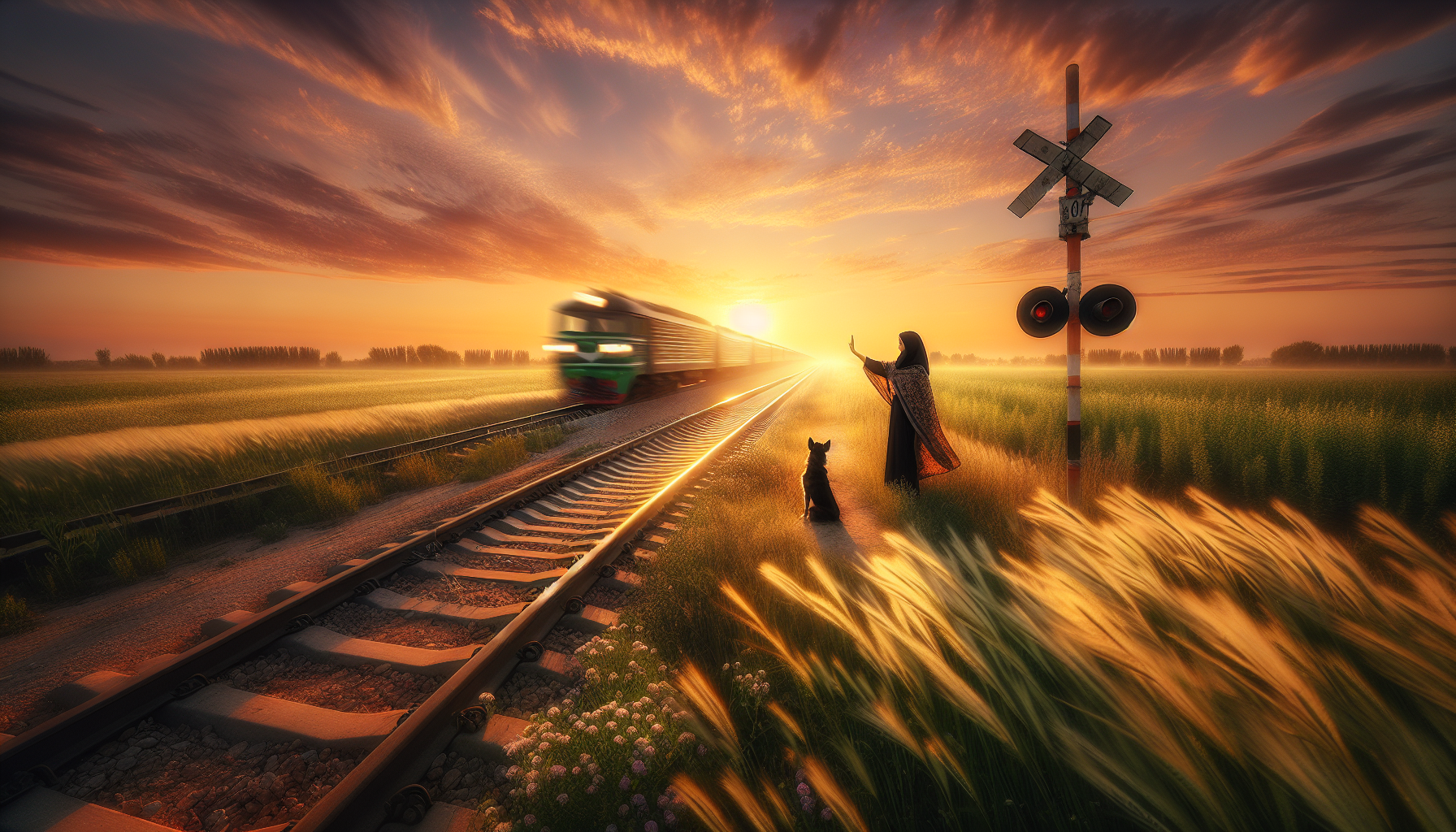
train accident
Understanding the Risks of Train Accidents: A Sobering Reality
Introduction to Train Accidents
Have you ever paused to think about how quickly a regular day could change into a life-altering event? Train accidents, though seemingly rare, bring that possibility into sharp focus. It’s a topic that often doesn’t get the attention it deserves until a tragic incident occurs—a reminder of the inherent risks associated with trains.
Imagine you’re taking a stroll with your furry friend on a sunny afternoon. Suddenly, an everyday walk takes a harrowing turn. This unimaginable scenario is precisely what unfolded recently when a woman lost her life in a tragic train accident while attempting to save her dog. This heartbreak reminds us of the vulnerability and unpredictability surrounding train tracks.
Why Do Train Accidents Happen?
You might wonder, why do these train accidents happen? There are several factors, and while trains are among the safest modes of transportation, accidents still occur. Some common causes include:
- **Human Error:** Much like any system managed by humans, mistakes can happen. Signal failures or miscommunications may lead to disastrous outcomes.
- **Mechanical Failures:** Despite rigorous maintenance, mechanical failures can still occur unexpectedly, leading to potentially dangerous situations.
- **Track Issues:** Over time, rail tracks can deteriorate or become obstructed by debris, necessitating regular inspections and maintenance.
- **Driver Negligence:** Distraction or failure to adhere to safety protocols by pedestrians or drivers near railway crossings can lead to accidents.
It’s alarming how these factors converge, often against all odds, and turn into a train accident. What can we do to enhance awareness and safety?
Staying Safe Around Trains
Ensuring safety around trains requires both awareness and action. So, how can you minimize the risks of being involved in a train accident?
1. Be Alert at Crossings: Always stop, look, and listen before crossing train tracks. Trains can be quieter than expected, so stay vigilant.
2. Adhere to Signals: Always obey the safety signals, even if the coast seems clear. Crossing when lights flash or barriers are down is never safe.
3. Keep Your Distance: Stay clear of the edges on platforms and at crossings. Maintaining a safe distance is the simplest way to avoid close encounters.
4. Educate and Advocate: Raising awareness in your community about train safety can significantly reduce accidents. Informed communities are safer communities.
To make this advice stick, imagine you’re about to cross the street. You wouldn’t just walk without looking both ways, right? The same vigilance applies to train tracks.
A Closer Look at the Human Element
You might ask, what drives someone to take risks near trains? The unfortunate incident where a woman died trying to save her dog from an oncoming train brings this question into focus. It’s a scenario many pet lovers might relate to—acting impulsively to save their beloved animal.
Personal instincts can be powerful, and, in emergencies, the urge to protect loved ones, human or animal, often takes precedence. While it’s natural to want to act heroically, understanding the gravity of the situation can sometimes be the first step to safety. Reassessment and quick evaluation of the risk involved could prevent tragedies.
Everyday actions based on strong emotions, like bravery and love, remind us of our humanity. Yet, it’s crucial to balance those emotions with caution, especially around fast-moving trains.
Story Time: A Personal Anecdote
Years ago, a friend of mine shared a heart-stopping experience. She was walking her dog near a railway track when her dog bolted towards the tracks right as a train was approaching. Her heart raced as she called out, but luckily, her dog paused, allowing her to reel him back to safety before the train rushed past. That split-second decision prioritized safety for both herself and her pet.
This anecdote serves as a compelling reminder that even when faced with instinctual reactions, a moment of caution can save lives. It’s not just about being safe but thinking safely too.
Reflecting on Train Accident Prevention
Let’s wrap up our reflective journey with some food for thought. Have you ever considered how often we rely on habits to keep us safe? Safe practices around train tracks require conscious decisions. Yes, intuitive actions make a difference, but coupling instinct with knowledge is the key to avoiding train accidents.
Have you noticed that we often overlook the dangers of familiar places? Think of train tracks like busy roads—dangerous if handled carelessly. With regular reminders and a little more attention, we can avoid tragic outcomes like the one that took a brave woman’s life.
Conclusion
In our fast-paced world, train accidents highlight the intersection between unpredictability and human nature. By sharing stories, providing relevant information, and encouraging a culture of safety awareness, we can reduce the frequency of such tragic accidents.
Consider this your call to action. Next time you’re near a train track, recall the harrowing tale of the woman who lost her life, and let it prompt you to act safely and save lives, perhaps even your own. Wouldn’t it be better if we all took a moment to stop and think before acting?
Continue to spread the word and champion train safety. It’s an essential step towards creating a safer environment for us all. After all, every small effort counts, right?
Unbeatable Pet Accessory Deals on Amazon!
Watch funny and cute dog videos!
Disclaimer: This article was generated with the assistance of AI technology. All images featured on this website are either sourced from free-to-use platforms, created by us, generated with the assistance of AI technology or used with permission. If you believe an image on this site violates copyright or your rights, please contact us, and we will address the issue promptly.