- Empty cart.
- Continue Shopping

Vaccination After Dog Bite: Safety Concerns Amidst Kerala Incident – Vaccination
- Posted on
Naresh Gupta
- 0
- Categories: Latest Cats & Dogs World News: Updates, Stories, and Tips for Pet Lovers
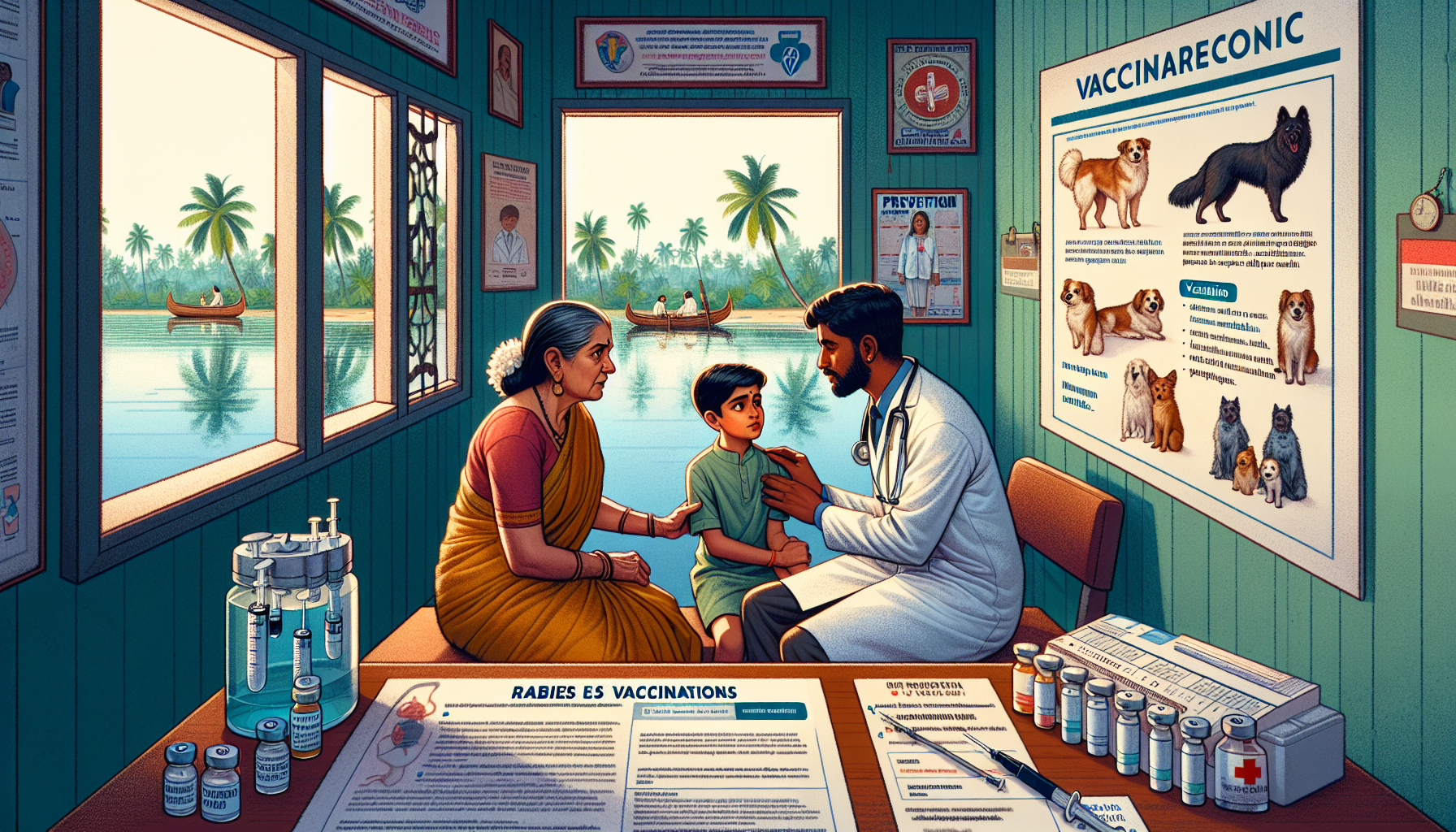
Vaccination
Understanding Vaccination: Is It Always a Safety Net After a Dog Bite?
Have you ever wondered if getting a vaccination after a dog bite guarantees your safety? This question has come into the spotlight recently due to a tragic incident in Kerala. A 7-year-old girl’s unfortunate passing after a dog bite has sparked concerns about the effectiveness of post-bite vaccinations. Let’s dive into this topic and explore what vaccination really means and how it works.
What Exactly is Vaccination, and Why is it Important?
Vaccination is like giving your immune system a blueprint to fight specific illnesses. Imagine it as a little practice match before the main game. Your body gets a sneak peek of the enemy (in this case, a virus), allowing it to prepare defenses better. This preparation can be crucial, especially when dealing with rabies following a dog bite.
Vaccines introduce a small, harmless piece of the virus or bacteria into your body, helping the immune system recognize and attack if it ever encounters the real deal. In the case of rabies, a rabies vaccination can be life-saving.
Why Is There a Concern?
The concern arises from the tragic incident in Kerala, where a young girl succumbed to rabies despite receiving her vaccinations. It’s natural to feel shaken by such news. It makes us question whether vaccinations are truly foolproof when dealing with potentially lethal viruses like rabies.
Why is this case noteworthy? Let’s consider a few points:
Understanding How Vaccines Work: Your Body’s Practice Run
Think of vaccines as a training session for your body’s defense team. It’s like rehearsing for a play, where the immune system gets to practice its moves. When the real virus comes knocking, your body knows exactly how to react.
Vaccination after a dog bite is often a race against time. Rabies is a fast-acting virus and getting vaccinated as quickly as possible can be a crucial factor for safety. But what could possibly lead to a breakdown in this safety net?
What Went Wrong?
Given that the effectiveness of a vaccine can depend on various factors, sometimes things don’t pan out as expected:
Ensuring Vaccine Effectiveness: What Can Be Done?
Being proactive can alleviate risks and improve outcomes. Here are a few measures individuals and health services can take:
Vaccination: Not Just After a Bite
While rabies vaccination is critical after an animal bite, some vaccines are preventive. For instance, **flu shots** and **measles vaccines** help prevent outbreaks and protect vulnerable communities. These vaccines often work best when administered before any exposure.
Just like wearing a seatbelt or having a fire extinguisher at home, preemptive vaccination can be a vital part of safety measures.
FAQs About Vaccination After Dog Bites
Is it safe to wait after a dog bite?
No, it’s imperative to seek medical help immediately. Delays can increase the risk if the animal is rabid.
Are there side effects to the rabies vaccine?
Most people experience minor side effects like soreness at the injection site or mild fever. Severe reactions are rare.
Can pets transmit rabies if they’re vaccinated?
Vaccinated pets are much less likely to transmit rabies, but no vaccine is 100% effective, so caution is always advised.
The Bigger Picture: Trust and Caution
Vaccination after a dog bite is crucial, but it’s part of a larger picture of safety measures. Trust in vaccines is essential, but it should be coupled with awareness and immediate action. While the story from Kerala is a heart-wrenching reminder of the challenges in healthcare, it also underscores the importance of vigilance, proper vaccination protocols, and immediate medical attention after potential virus exposure.
Consider vaccinations as you would an umbrella in the rain. It’s a tool to keep you safe, though sometimes you may still get wet around the edges. The key is knowing how to use these tools to their full potential and getting the timing just right. Stay informed, be proactive in health measures, and remember, knowledge is your most potent shield against harm.
Watch funny and cute dog videos!
Disclaimer: This article was generated with the assistance of AI technology. All images featured on this website are either sourced from free-to-use platforms, created by us, generated with the assistance of AI technology or used with permission. If you believe an image on this site violates copyright or your rights, please contact us, and we will address the issue promptly.